Trusted Roofing Company for Your Home's Protection and Aesthetic Appeal
Picking a reliable roofing company is fundamental for safeguarding a home's integrity and enhancing its visual appeal. Homeowners navigate diverse choices, and the appropriate contractor can be transformative. Superior supplies and skilled workmanship are essential for resilience and protection from potential wear. Understanding what to look for in a contractor can yield wiser decisions. Nonetheless, various complications can obstruct this process, motivating further study into the attributes that define a reliable roofing companion.
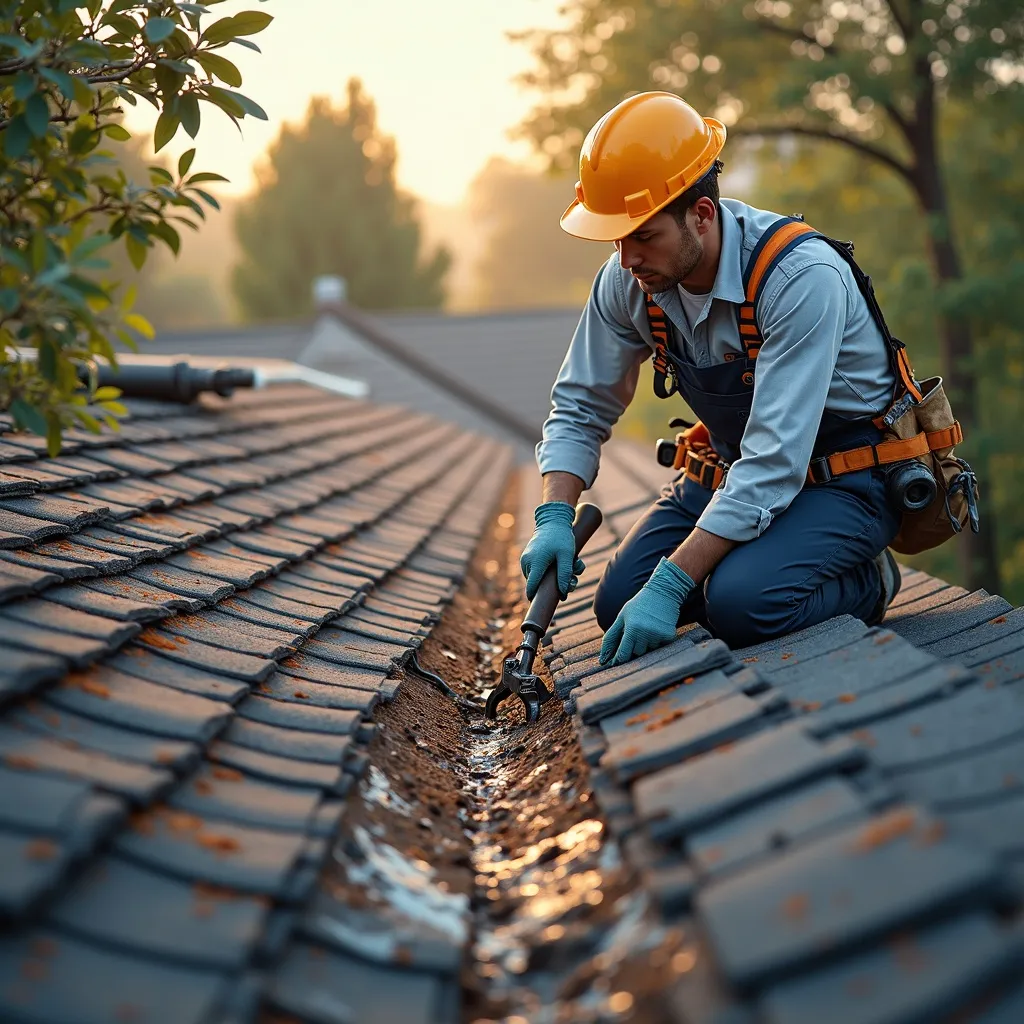
Why Selecting the Best Roofing Company Matters
Determining the best roofing contractor can profoundly affect a homeowner's long-term safety and financial commitment. A well-chosen contractor not only ensures quality workmanship but also supplies peace of mind through steady service. It is crucial for homeowners to recognize that the roof represents the primary shield against environmental elements, which makes quality installation and regular maintenance crucial. Subpar work can lead to issues such as leaks, structural damage, and increased repair costs over time. Additionally, a established roofing company often applies superior materials, which can enhance the longevity of the roof. Homeowners should also consider the importance of warranties and customer support when making their pick. In a market filled with options, understanding the significance of selecting a trustworthy roofing partner can safeguard both the home and the homeowner's investment, ultimately contributing to a secure and durable living environment.
Important Traits of a Trustworthy Roofing Contractor
When looking for a dependable roofing contractor, homeowners should prioritize several key qualities that indicate professionalism and trustworthiness. First, a strong reputation within the community is crucial; positive reviews and testimonials often reflect a contractor's commitment to high standards. Second, proper licensing and insurance are necessary, ensuring that the contractor complies with local regulations and protects homeowners from potential liabilities. Third, experience in the industry can demonstrate a contractor's ability to manage varied roofing challenges effectively. Additionally, clear communication is crucial; a trustworthy contractor should provide detailed estimates and be responsive to questions. Finally, a focus on high-quality materials and craftsmanship is indispensable for long-term durability. By assessing these qualities, homeowners can make educated decisions, ensuring their roofing project is completed to their satisfaction and with lasting results.
Important Inquiries for Your Roofing Contractor?
When selecting a roofing company, it is critical to ask targeted questions to evaluate their competencies and reliability. presentation Discussions about their track record, warranties, and material selections can provide pertinent information into their capabilities. This analysis will showcase key questions that guarantee a well-informed determination for householders.
Professional Background and Credentials
Experience and qualifications are vital factors when choosing a roofing contractor. Homeowners should inquire about the contractor's years in the field, as extensive experience often aligns with a deeper understanding of various roofing systems and challenges. It's equally crucial to verify the contractor's licensing and insurance status, confirming compliance with local rules and cover for potential liabilities. Requesting references and evaluating past projects can offer insight into the contractor's workmanship and dependability. Furthermore, homeowners should look into certifications from manufacturers, reflecting targeted training and expertise. A competent contractor will easily provide documentation of their credentials, demonstrating their dedication to quality and professionalism. Comprehensive vetting ensures a trustworthy partner for any roofing project, protecting both the home and investment.
Protection and Guarantees
A detailed warranty and guarantees policy is crucial for homeowners choosing a roofing contractor. This aspect functions as a protective buffer, ensuring that any issues arising after installation will be resolved without additional costs. Homeowners should inquire about the length of the coverage and what it explicitly includes, encompassing workmanship and materials. It is also vital to ask whether the warranty is movable, which can increase worth if the home is transferred. Furthermore, property owners should verify if the contractor offers a satisfaction guarantee, providing confidence of the quality of labor. Participating in this dialogue not only explains expectations but also reinforces the service provider's commitment to quality and accountability in their services.
Materials and Solutions
Opting for the proper materials for roof covering is essential for both durability and aesthetics. Homeowners should consider various options, such as asphalt shingles, metal roofing, wood shakes, and tile, each rendering special advantages. When partnering with a roofing contractor, vital topics surface: What materials do they counsel for the local climate? How do the rates compare? What is the expected wear period of each option? In addition, homeowners should inquire about the environmental impact and efficiency ratings of the options. Understanding the pros and cons of each type can help property owners in making informed decisions that align with their style preferences and financial allowance. At last, opting for the right roofing material will fortify the home's defense while contributing to its total aesthetic worth.
Evaluating Roof Options: Benefits, Drawbacks, and Ideal Uses
When evaluating roofing choices, homeowners often weigh the benefits of asphalt shingles against the advantages of metal roofing. Asphalt shingles are favored for their affordability and simple installation process, while metal roofing provides durability and energy efficiency. Understanding the strengths and weaknesses of each material can assist homeowners create informed decisions tailored to their particular needs and environments.
Asphalt Shingles Primer
Asphalt shingles are viewed as one of the most common roofing materials in residential construction. Known for their affordability and ease of installation, they appeal to homeowners in search of economical solutions. Available in a selection of colors and styles, asphalt shingles increase the aesthetic appeal of many homes. Their durability against weather elements is impressive, with a lifespan typically lasting between 15 to 30 years. However, they may be less effective in severe weather, such as high winds or heavy snowfall. Additionally, while they offer adequate insulation, they are not as energy-efficient as some other materials. Overall, asphalt shingles remain a trusted option for homeowners prioritizing budget, style, and adequate protection for their residences.
Metal Roofing Advantages
Metal roofing provides a variety of advantages that can greatly benefit homeowners seeking durability and longevity. This roofing material is known for its exceptional protection to severe weather conditions, such as high winds, hail, and heavy snow. Furthermore, metal roofs have a lifespan of 40 to 70 years, considerably outlasting traditional materials like asphalt shingles. They are also energy-efficient, deflecting solar radiant heat and reducing cooling costs in warmer months. Metal roofing is easy to maintain, demanding minimal upkeep compared to other options. Moreover, it is eco-conscious, often made from recycled materials and fully recyclable at the end of its life. For homeowners emphasizing both safety and aesthetic appeal, metal roofing is an outstanding choice.
Reviewing Customer Feedback: What to Seek Out
How can prospective clients determine the standard of a roofing company by examining reviews? Client testimonials act as a useful resource for evaluating a roofing company's dependability and construction quality. Potential customers should search for trends in comments, including repeated compliments for punctuality, material standards, and overall quality of work. Unfavorable feedback can provide insights into warning signs, especially if several clients describe comparable issues.
Additionally, the responsiveness of the organization to reviews—both positive and negative—can demonstrate their focus on client care. Customers should likewise consider the rating level and the total number of reviews, as a high rating accompanied by numerous reviews typically indicates a trustworthy business. In conclusion, particular remarks regarding the roof work, including project timelines and communication, can provide a clearer picture of what customers will encounter. Looking at these considerations enables potential customers make smart choices when selecting a roofing company.
Why Warranties and Post-Purchase Support Are Important
When selecting a roofing company, comprehending the significance of coverage and post-service support can greatly affect a homeowner's decision. Warranties serve as a protection against surprising problems or issues, ensuring that the commitment in a modern roof is safeguarded. A reputable company typically offers broad warranties that cover materials and workmanship, providing comfort.
After-service is equally important, as it shows a company's commitment to buyer happiness. Consistent after-service guarantees that homeowners have reach support for maintenance or repairs, nurturing a long-term bond. This can include scheduled assessments or rapid responses to any worries that arise post-installation.
Essentially, guarantees and customer support are markers of a company's credibility and dedication to quality. Homeowners need to emphasize these considerations to guarantee their roof endeavor not only meets aesthetic standards but also persists over time. Investing in a trustworthy roofing company ultimately shields one's home and financial assets.
Commonly Inquired Questions
What Length of Time Does a Typical Roofing Project Need to Be Completed?
A conventional roof job ordinarily takes around one to three weeks to finish. Factors determining the duration comprise the undertaking's size, weather conditions, and the difficulty of the roofing system being constructed or restored.
Which Varieties of Roofing Materials Are the Most Energy-Efficient?
Metal, slate, and clay tiles rank among the most power-conserving roofing materials. These alternatives deflect sunlight, decrease heat absorption, and result in reduced energy costs, positioning them as ideal choices for boosting home energy efficiency.
What payment alternatives are accessible for roof installation?
A number of roofing companies offer payment solutions, including payment plans and loans, to help homeowners in managing costs. These options can make it simpler to pay for required roofing services while improving overall budget flexibility.
How Can I maintain My Roof in proper shape After Installation?
Looking after a roof once installation is finished necessitates routine evaluations, rapid repairs, and regular cleaning. Eliminating debris, watching for water penetration, and facilitating adequate water flow can tremendously improve the roof's longevity and operational efficiency.
What should I take action if I spot a water escape after fixes?
When a leak is discovered following repairs, contact the roofing contractor without delay to assess the situation. Document the leak's location and seriousness, guaranteeing that all exchanges and observations are carefully logged for documentation purposes.